The 7 types of psalms in the Bible describe the main ways believers speak to God in Scripture. These psalms include wisdom, royal, lament, imprecatory, thanksgiving, pilgrimage, and enthronement songs. Each type highlights a different response to God such as instruction, sorrow, praise, or worship, and together they teach believers how to trust, pray, and praise the Lord in every season.

Key Takeaways – What are the 7 Types of Psalms?
- The Psalms teach believers how to respond to God in every season of life. The seven types of psalms show how God’s people pray, worship, trust, and praise Him during joy, sorrow, trials, and victory.
- Each type of psalm reveals a different spiritual purpose. Wisdom psalms teach godly living, royal psalms point to the Messiah, and lament psalms show how to bring sorrow honestly before the Lord.
- The Psalms guide believers to trust God’s character and promises. Thanksgiving, pilgrimage, and enthronement psalms remind us that God delivers His people, leads our journey, and reigns as King forever.
- The Psalms encourage believers to worship God with honest faith. These sacred songs invite us to pray sincerely, praise joyfully, and trust the Lord through every circumstance of life.
What are the 7 Types of Psalms in the Bible?
The Book of Psalms speaks to every season of the Christian life. When hearts rejoice, the Psalms give words of praise. When trials press hard, the Psalms give language for prayer and hope. God placed these songs in Scripture to guide our worship, shape our thinking, and strengthen our trust in Him through every circumstance.
Today we will explore the 7 types of psalms found in the Bible. Each type reveals a different way believers respond to God in real life. We will look at wisdom, royal, lament, imprecatory, thanksgiving, pilgrimage, and enthronement psalms. As we study them, we will see how these sacred songs teach us to trust the Lord in every season.
1. Wisdom Psalms
Wisdom psalms teach believers how to live faithfully before God by contrasting the path of the righteous with the path of the wicked.
A. Definition of Wisdom Psalms
Wisdom psalms teach believers how to live in the fear of the Lord. They contrast the path of the righteous with the path of the wicked. Psalm 1:1–3 describes the blessed person who delights in God’s law. These psalms guide daily choices and show that true success begins with obedience to God’s Word.
They often sound like Proverbs because they stress instruction and reflection. The writer invites readers to think deeply about life and eternity. Psalm 37:5 urges believers, “Commit your way to the Lord.” Wisdom psalms remind us that faithful living produces stability, even when the world celebrates foolishness.
B. Examples of Wisdom Psalms
Psalm 1 stands as a classic wisdom psalm. It contrasts two ways of life. The righteous delight in God’s law and grow like a tree planted by water. The wicked resemble chaff driven by wind. The psalm calls believers to pursue spiritual nourishment through Scripture and avoid sinful influences.
Psalm 73 gives another powerful example. Asaph struggles when he sees the prosperity of the wicked. His heart almost stumbles until he enters God’s sanctuary. Then he understands their final end. The psalm teaches believers to measure life through God’s eternal perspective rather than temporary appearances.
2. Royal Psalms
Royal psalms celebrate God’s appointed king in Israel and ultimately point forward to the reign of the Messiah, Jesus Christ.
A. Definition of Royal Psalms
Royal psalms focus on the king whom God appoints to rule His people. In Israel, the king represented God’s authority on earth. These psalms celebrate the king’s reign, victories, and covenant promises. Many also point forward to the coming Messiah who will reign perfectly.
These psalms carry both historical and prophetic meaning. They celebrate Israel’s king, yet they ultimately point to Christ. Psalm 2:7 declares, “You are My Son.” The New Testament applies this verse to Jesus. Royal psalms remind believers that God rules history and will establish His righteous kingdom.
B. Examples of Royal Psalms
Psalm 2 stands as one of the clearest royal psalms. Nations rebel against God and His Anointed. Yet God declares that His King will rule from Zion. Verse 12 calls people to “kiss the Son.” The psalm warns rulers and invites everyone to trust the Messiah.
Psalm 72 presents a prayer for the king’s righteous rule. The king defends the poor, brings justice, and spreads peace. While Solomon partially fulfilled this hope, the psalm ultimately points to Christ. His future kingdom will bring perfect justice and worldwide blessing.
3. Lament Psalms
Lament psalms express sorrow and struggle while guiding believers to bring their troubles honestly before God in prayer.
A. Definition of Lament Psalms
Lament psalms give voice to sorrow, confusion, and pain before God. The writer openly describes trouble yet continues to trust the Lord. These psalms show believers that faith does not hide suffering. Instead, faith brings every burden honestly before God in prayer.
Many lament psalms move from complaint to confidence. The writer begins with deep distress but ends with renewed hope. Psalm 13:1 asks, “How long, O Lord?” Yet verse 5 declares trust in God’s mercy. Lament psalms teach believers to turn pain into prayer.
B. Examples of Lament Psalms
Psalm 22 presents a powerful lament. David cries, “My God, My God, why have You forsaken Me?” The psalm describes suffering and mockery. Jesus later quoted this verse on the cross. The psalm moves from agony to praise as the writer trusts God’s deliverance.
Psalm 42 also expresses deep spiritual longing. The writer compares his thirst for God to a deer seeking water. He feels cast down but reminds his soul to hope in God. The psalm teaches believers to preach truth to their hearts during seasons of discouragement.
4. Imprecatory Psalms
Imprecatory psalms call upon God to judge evil and defend righteousness, trusting Him as the just and holy Judge.
A. Definition of Imprecatory Psalms
Imprecatory psalms call upon God to judge wickedness and defend righteousness. The writer does not seek personal revenge. Instead, he appeals to God’s justice and holiness. These psalms arise when evil seems to triumph and the righteous suffer oppression.
These prayers reflect zeal for God’s honor. Psalm 94:1 cries, “O Lord God, to whom vengeance belongs.” The psalmist trusts that God will judge evil in His perfect time. Believers today read these psalms as reminders that justice ultimately belongs to God alone.
B. Examples of Imprecatory Psalms
Psalm 69 contains strong language against enemies who oppose God’s servant. David suffers unjust hatred and persecution. Verse 9 declares zeal for God’s house. The New Testament connects this psalm to Christ’s suffering. The psalm shows how righteous anger can rest in God’s judgment.
Psalm 109 records David’s cry against a cruel enemy. The psalm describes betrayal and false accusation. David asks God to act as the righteous Judge. Instead of seeking revenge himself, he entrusts the situation to God’s justice and faithful care.
5. Thanksgiving Psalms
Thanksgiving psalms praise God for His deliverance and encourage believers to remember and celebrate His faithful help.
A. Definition of Thanksgiving Psalms
Thanksgiving psalms celebrate God’s deliverance and goodness. The writer looks back on answered prayer and publicly praises the Lord. These psalms encourage believers to remember God’s faithfulness and give Him glory for every rescue and provision.
These psalms often recount specific acts of deliverance. Psalm 30:2 declares, “O Lord my God, I cried out to You, and You healed me.” The writer invites others to rejoice in God’s mercy. Thanksgiving psalms strengthen faith by reminding believers of God’s past help.
B. Examples of Thanksgiving Psalms
Psalm 30 gives thanks for God’s rescue from great danger. David testifies that sorrow may last through the night, but joy comes in the morning. The psalm reminds believers that God can transform seasons of mourning into songs of praise.
Psalm 107 recounts several rescues. God delivers travelers lost in deserts, prisoners in chains, and sailors in storms. Each group cries to the Lord and receives help. The psalm repeats a call: “Oh, that men would give thanks to the Lord.”
6. Pilgrimage Psalms
Pilgrimage psalms encourage believers to trust God’s protection and guidance as they journey through life toward Him.
A. Definition of Pilgrimage Psalms
Pilgrimage psalms are also called Songs of Ascents. These psalms appear in Psalms 120 through 134. Israel sang them while traveling to Jerusalem for worship festivals. The journey upward toward the city symbolized spiritual devotion and joyful expectation.
These psalms remind believers that life itself is a journey toward God. Psalm 121:1 declares, “I will lift up my eyes to the hills.” The traveler remembers that help comes from the Lord. Pilgrimage psalms encourage believers to trust God throughout life’s journey.
B. Examples of Pilgrimage Psalms
Psalm 121 comforts travelers with the promise of divine protection. The psalm declares that God never sleeps and always watches over His people. The traveler may face dangers on the road, but the Lord guards every step from departure to arrival.
Psalm 126 celebrates the joy of restoration. Israel remembers how God brought them back from captivity. Their mouths filled with laughter and songs of joy. The psalm reminds believers that God can restore broken seasons and turn tears into harvest.
7. Enthronement Psalms
Enthronement psalms proclaim that the Lord reigns as the sovereign King over all creation and deserves joyful worship.
A. Definition of Enthronement Psalms
Enthronement psalms proclaim the Lord as the supreme King over all creation. These psalms celebrate God’s rule, power, and holiness. They remind Israel that the Lord reigns above every nation and every earthly ruler.
These psalms emphasize worship and reverence. Psalm 97:1 declares, “The Lord reigns; let the earth rejoice.” God’s throne stands firm forever. Enthronement psalms call believers to worship with awe because the Creator rules with perfect justice and glory.
B. Examples of Enthronement Psalms
Psalm 93 announces the majesty of God’s throne. The psalm describes the Lord clothed with strength and glory. Though mighty floods rise, the Lord remains greater than the waves. The psalm encourages believers to trust God’s unshakable authority.
Psalm 99 also celebrates God’s kingship. The psalm calls people to tremble before the Lord who sits between the cherubim. It praises His holiness and justice. The psalm ends with a call to worship at His holy hill, reminding believers that God alone deserves our reverence.
Conclusion
The Psalms reveal many voices of faith. Wisdom psalms guide our daily choices through God’s truth. Royal psalms point us to the coming King, the Lord Jesus Christ. Lament psalms teach honest prayer during suffering. Imprecatory psalms trust God’s justice. Thanksgiving psalms celebrate His deliverance. Pilgrimage psalms strengthen us for life’s journey, and enthronement psalms remind us that the Lord reigns forever.
These sacred songs call every heart to trust the Lord. If you know Christ, continue to walk with Him in every season. If you have never trusted Him, turn to Him today. Jesus died for our sins and rose again. Place your faith in Him as your Savior and Lord, and receive the gift of eternal life.

Frequently Asked Questions (FAQ)
Q: What are the seven types of psalms in the Bible?
A: The seven common types of psalms are wisdom, royal, lament, imprecatory, thanksgiving, pilgrimage, and enthronement psalms. Each category reflects a different way believers respond to God through prayer, worship, praise, or reflection. Together they show how God’s people trust and honor the Lord in every season of life.
Q: What is a wisdom psalm in the Bible?
A: A wisdom psalm teaches practical godly living and contrasts the path of the righteous with the path of the wicked. These psalms emphasize obedience to God’s Word as the foundation of blessing and stability. Psalm 1 and Psalm 37 are classic examples that guide believers toward faithful daily choices.
Q: What is a lament psalm and why is it important?
A: A lament psalm expresses sorrow, distress, or confusion while still trusting God. The writer brings honest pain before the Lord in prayer and often ends with renewed confidence. Psalms like Psalm 13 and Psalm 22 show believers that faith can cry out to God during suffering.
Q: What are royal psalms in the Book of Psalms?
A: Royal psalms focus on the king of Israel and God’s rule through His chosen leader. Many also point prophetically to Jesus Christ, the coming Messiah and eternal King. Psalms such as Psalm 2 and Psalm 72 celebrate God’s authority and His promise of righteous rule.
Q: Why are the different types of psalms important for believers today?
A: The different types of psalms teach believers how to pray, worship, and trust God in real life situations. They provide biblical language for praise, sorrow, repentance, and hope. By studying these psalms, believers learn to respond to God faithfully in every circumstance.
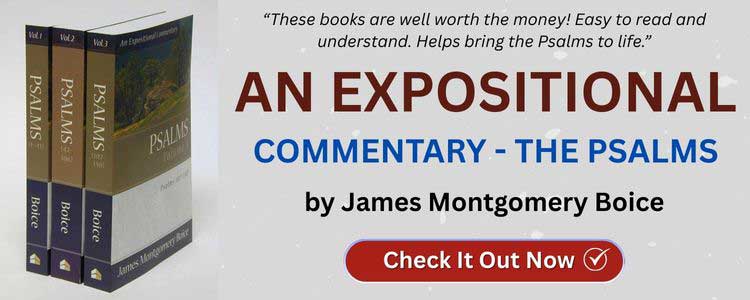
An Expositional Commentary – Psalms by James Montgomery Boice
BONUS: How many types of psalms are found in the Book of Psalms?
Scholars commonly group the Psalms into several main types based on their message and purpose. A helpful summary identifies seven types: wisdom, royal, lament, imprecatory, thanksgiving, pilgrimage, and enthronement psalms. Each category reflects a different response to God. Together they reveal how believers think about God, pray to Him, and worship Him.
The Psalms themselves show these patterns clearly. Psalm 1 teaches wisdom. Psalm 2 celebrates God’s King; Psalm 13 cries out in lament; Psalm 30 gives thanks for deliverance; Psalm 121 strengthens pilgrims on the journey; Psalm 97 proclaims that the Lord reigns. These categories help readers understand the rich variety within the Book of Psalms.
BONUS: What is the purpose of the different categories of psalms in the Bible?
The different categories of psalms help readers understand how believers relate to God in many situations. Some psalms teach wisdom, others express sorrow, and many celebrate praise and thanksgiving. Psalm 1 guides righteous living, while Psalm 13 shows honest prayer during distress. These categories reveal the many ways God’s people speak to Him.
These categories also guide believers in worship and spiritual growth. The psalms teach us to praise God, confess struggles, and trust His rule. Psalm 100:4 calls us to enter His presence with thanksgiving. Psalm 121:1–2 reminds us that our help comes from the Lord, who made heaven and earth.
BONUS: Which psalms focus on praise and worship of God?
Several psalms focus strongly on praise and worship of God. These include thanksgiving psalms and enthronement psalms. They celebrate God’s character, power, and faithfulness. Psalm 100:1–2 calls believers to “make a joyful shout to the Lord.” These psalms direct hearts toward joyful worship and grateful praise.
Enthronement psalms also emphasize worship because they proclaim God as King. Psalm 95:6 invites people to bow down and kneel before the Lord our Maker. Psalm 97:1 declares that the Lord reigns and the earth should rejoice. These psalms encourage believers to honor God with reverence and joyful praise.
BONUS: What are the Songs of Ascents in the Book of Psalms?
The Songs of Ascents appear in Psalms 120 through 134. Israel sang these psalms while traveling up to Jerusalem for worship festivals. The journey toward the city symbolized drawing near to God. Psalm 122:1 expresses joyful anticipation: “I was glad when they said to me, Let us go into the house of the Lord.”
These psalms strengthen faith during life’s journey. Travelers remembered God’s protection and help along the road. Psalm 121:1–2 declares, “My help comes from the Lord, who made heaven and earth.” The Songs of Ascents remind believers that God guides, protects, and blesses His people as they walk with Him.
BONUS: Which psalms are considered messianic in the Bible?
Messianic psalms speak about the coming Messiah and His future reign. These psalms describe God’s chosen King and His mission of salvation. Psalm 2:7 declares, “You are My Son.” Psalm 110:1 says, “The Lord said to my Lord, Sit at My right hand.” These passages point forward to Jesus Christ.
Some messianic psalms describe the suffering of the Messiah. Psalm 22 portrays deep suffering and rejection. Jesus quoted Psalm 22:1 while on the cross. The psalm later moves toward victory and praise. These prophetic songs reveal both the suffering and the triumph of Christ.
BONUS: How do the Psalms help believers pray according to God’s will?
The Psalms teach believers how to pray with honesty and faith. They give inspired words for praise, confession, and trust. Psalm 19:14 asks that our words and thoughts please the Lord. Psalm 86:11 asks God to teach His way. These prayers shape our hearts to seek God’s will.
The Psalms also remind believers to trust God’s character while praying. Psalm 37:4 encourages delight in the Lord. Psalm 143:10 asks God to teach us to do His will. When believers pray these truths, their desires grow closer to God’s purposes and promises.
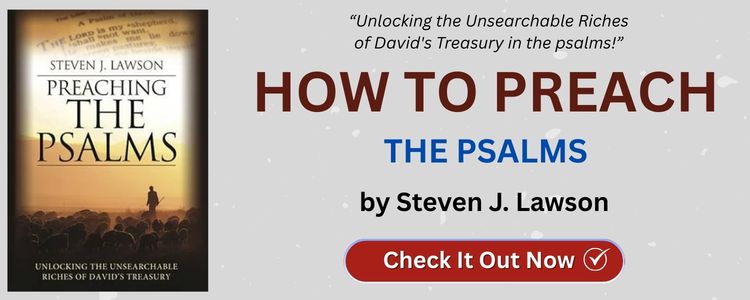
How To Preach The Psalms by Steven J. Lawson
| What Are The 7 Types of Psalms in the Bible? | |||
|---|---|---|---|
| Number | Main Point | Bible Verse | Meaning |
| 1 | Wisdom Psalms | Psalm 1:1–2 | Wisdom psalms teach believers how to live godly lives by delighting in God’s Word and avoiding the path of the wicked. |
| 2 | Royal Psalms | Psalm 2:6–7 | Royal psalms celebrate God’s appointed king and ultimately point to the Messiah, Jesus Christ, who will rule with righteousness. |
| 3 | Lament Psalms | Psalm 13:1–2 | Lament psalms express sorrow and struggle while still trusting God to hear prayer and bring deliverance. |
| 4 | Psalm 94:1–2 | Romans 12:2a | Imprecatory psalms call on God to judge evil and defend righteousness, trusting Him as the just Judge. |
| 5 | Thanksgiving Psalms | Psalm 30:1–2 | Thanksgiving psalms praise God for answered prayer and celebrate His faithfulness in delivering His people. |
| 6 | Pilgrimage Psalms | Psalm 121:1–2 | Pilgrimage psalms encourage believers to trust God’s protection and guidance during life’s spiritual journey. |
| 7 | Enthronement Psalms | Psalm 97:1 | Enthronement psalms proclaim that the Lord reigns as the sovereign King over all the earth. |