The Book of Psalms is a rich tapestry of poetry, emotion, and worship, offering insight into the human experience with God.
Divided into seven (7) main types of Psalms—Wisdom, Royal, Lament, Imprecatory, Thanksgiving, Pilgrimage, and Enthronement—each psalm reveals unique aspects of faith, struggle, and praise.
Understanding these categories not only deepens our appreciation of the Psalms’ literary beauty but also enriches our spiritual journey through their timeless messages.
7 Main Types of Psalms
The Book of Psalms, containing 150 psalms, is a diverse collection of poetic expressions that can be categorized into various types. Understanding these categories is crucial for interpreting the Psalms correctly and appreciating their literary richness. Today we will examine 7 Types of Psalms in the Bible.
1. Wisdom Psalms
Wisdom Psalms are a distinct category within the Book of Psalms that focus on guiding believers toward living a life aligned with God’s will. These psalms offer practical advice on how to lead a righteous and godly life by contrasting the paths of the wise and the foolish, the righteous and the wicked. They often emphasize themes like obedience to God’s law, the rewards of righteousness, and the consequences of sin.
Psalm 1 serves as a foundational example of a Wisdom Psalm. It contrasts the life of the righteous—who delight in God’s law and prosper like a tree planted by streams of water—with the wicked, who are like chaff blown away by the wind. This vivid imagery underscores the stability and fruitfulness that come from living according to God’s guidance.
Psalm 37 also advises believers not to envy evildoers but to trust in the Lord and do good, assuring them that God will ultimately bring justice. Psalm 119, the longest chapter in the Bible, is another prominent Wisdom Psalm, celebrating God’s law and expressing deep devotion to His commandments.
Wisdom Psalms encourage meditation on God’s Word and inspire believers to pursue moral integrity, trust in God’s justice, and find joy in His guidance.
2. Royal Psalms
Royal Psalms focus on Israel’s kings, particularly King David, and often point prophetically to Jesus Christ as the ultimate King. These psalms celebrate God’s covenant with the Davidic dynasty, highlighting the king’s role as God’s chosen leader and defender of the nation. They reflect on the king’s victories, divine appointment, and the hope for a future, perfect ruler.
Psalm 2 is a classic Royal Psalm that illustrates this dual focus. It speaks of God’s anointed king and warns nations against rebelling against God’s authority, ultimately pointing to Jesus as the Messiah who fulfills this role completely. Verses like “You are my Son; today I have begotten you” (Psalm 2:7) echo in the New Testament, confirming Jesus as God’s chosen King.
Other Royal Psalms, such as Psalms 18, 20, 21, 45, and 110, celebrate military victories, divine protection, and the king’s responsibility to uphold justice. Psalm 110, for example, speaks of a king who is also a priest, a prophecy fulfilled in Jesus Christ.
Royal Psalms not only honor earthly kings but also emphasize God’s ultimate sovereignty and the future reign of Christ, inspiring trust in God’s unshakable kingdom.
3. Lament Psalms
Lament Psalms are heartfelt prayers that express deep sorrow, distress, or suffering while seeking God’s help and intervention. They are the most common type of psalm, reflecting the raw and honest emotions of individuals or the entire community during times of trouble. These psalms demonstrate that it is acceptable—even faithful—to bring pain, doubt, and frustration before God.
Lament Psalms typically follow a pattern: a cry for help, a description of the problem, a plea for God’s intervention, and often a statement of trust in God’s faithfulness. Psalm 3, for example, reveals David’s personal anguish as he flees from his son Absalom. David cries out to God for protection but also expresses confidence that God will deliver him: “But you, Lord, are a shield around me, my glory, the One who lifts my head high” (Psalm 3:3).
Some laments are communal, reflecting the struggles of the entire nation, such as in Psalm 44, where Israel pleads for God’s help amid defeat. Others, like Psalm 51, are deeply personal, expressing repentance and sorrow over sin.
In summary, Lament Psalms teach that suffering can coexist with faith. They encourage believers to pour out their hearts to God, trusting that He hears, cares, and will respond according to His perfect will.
4. Imprecatory Psalms
Imprecatory Psalms are prayers that call upon God to bring judgment, punishment, or destruction upon the wicked and those who commit injustice. These psalms express deep emotional cries for divine justice, reflecting the psalmist’s intense pain, anger, or frustration in the face of evil and oppression. They are often seen as controversial because they contain harsh language and strong appeals for God’s wrath, which can seem extreme to modern readers.
Psalm 7 is an example that combines lament and imprecation. In it, David pleads for God to judge his enemies justly, saying, “Let the evil of the wicked come to an end, but establish the righteous” (Psalm 7:9). Psalm 69 is another notable imprecatory psalm, where David asks God to pour out His wrath on those who persecute him. These psalms reflect a desire for God to uphold justice rather than endorsing personal revenge.
Imprecatory Psalms remind believers that it is God’s role—not ours—to enact judgment. They express righteous anger against sin and oppression, entrusting ultimate justice to God. They also highlight the psalmist’s deep trust in God’s moral order, acknowledging that evil must be confronted and that God will defend the innocent and punish the wicked in His perfect timing.
5. Thanksgiving Psalms
Thanksgiving Psalms are heartfelt expressions of gratitude to God for His blessings, deliverance, and faithfulness. These psalms celebrate God’s intervention in both personal and communal situations, offering praise for answered prayers, victories over enemies, healing, and provision. They often recount specific acts of God’s goodness, acknowledging His role in providing protection, guidance, and restoration.
Psalm 8 is a beautiful example of a Thanksgiving Psalm, where David marvels at God’s creation and expresses awe that God cares for humanity: “When I consider your heavens, the work of your fingers…what is mankind that you are mindful of them?” (Psalm 8:3-4). This psalm blends praise for God’s majesty with gratitude for humanity’s special place in creation.
Other examples, like Psalms 18, 30, and 103, reflect deeply personal gratitude. Psalm 30 thanks God for healing and rescue from death, while Psalm 103 overflows with praise for God’s forgiveness, mercy, and compassion: “Bless the Lord, O my soul, and forget not all His benefits” (Psalm 103:2).
Thanksgiving Psalms encourage believers to reflect on God’s past faithfulness and respond with joy and gratitude. They remind readers to acknowledge God’s goodness in every circumstance, fostering a spirit of continual thankfulness and trust in His ongoing provision.
6. Pilgrimage Psalms
Pilgrimage Psalms, also known as Songs of Ascent, were sung by Israelites as they traveled to Jerusalem for major religious festivals such as Passover, Pentecost, and the Feast of Tabernacles. These psalms, spanning Psalms 120–134, reflect themes of worship, community, and trust in God’s protection during the physical and spiritual journey toward the holy city. They fostered a sense of unity and anticipation as the people prepared their hearts for worship in God’s temple.
Psalm 121 is a well-known Pilgrimage Psalm that expresses confidence in God’s protection throughout the journey: “I lift up my eyes to the mountains—where does my help come from? My help comes from the Lord, the Maker of heaven and earth” (Psalm 121:1-2). This psalm reassures travelers that God watches over them, guarding them from harm both day and night.
Pilgrimage Psalms also celebrate the joy of being in God’s presence. Psalm 122 captures this excitement: “I rejoiced with those who said to me, ‘Let us go to the house of the Lord’” (Psalm 122:1).
These psalms remind believers today of the importance of spiritual journeys—drawing closer to God, seeking His presence, and worshiping in community. They inspire trust in God’s guidance and joy in pursuing Him.
7. Enthronement Psalms
Enthronement Psalms celebrate God’s supreme rule and sovereignty over all creation. These psalms proclaim God as the eternal King who reigns with power, justice, and holiness. They highlight His authority over nations, nature, and history, inviting all people to recognize His kingship and worship Him. Enthronement Psalms are rich in imagery that portrays God as an unshakable ruler whose reign brings order, peace, and righteousness to the world.
Psalm 93 powerfully declares God’s eternal rule: “The Lord reigns, He is robed in majesty… the world is firmly established; it cannot be moved” (Psalm 93:1). This verse emphasizes God’s unmatched strength and the stability of His creation under His rule. Similarly, Psalms 96 and 99 call all nations to worship the Lord, recognizing His justice and holiness. Psalm 96 proclaims, “Say among the nations, ‘The Lord reigns!’” (Psalm 96:10), encouraging global acknowledgment of God’s kingship.
These psalms not only celebrate God’s present reign but also look forward to the future when God’s rule will be fully realized in Christ’s return. For believers today, Enthronement Psalms inspire awe, trust, and joyful worship, reminding us that God remains sovereign over every aspect of life and history.
Conclusion
Embracing these 7 different types of psalms in the Bible enhances our appreciation of their messages and literary styles, providing valuable insights for both study and teaching of the Psalms. By recognizing the unique characteristics of each category, readers can better grasp the emotional depth and spiritual significance of these ancient poetic expressions.
By exploring the 7 types of Psalms, you will experience the depth and diversity of human emotion and divine interaction. From wisdom and praise to lament and justice, each category offers unique insights into God’s character and His relationship with His people.
Understanding these distinctions enriches both personal reflection and spiritual growth, allowing readers to engage more meaningfully with the Psalms’ timeless truths and find guidance, comfort, and inspiration in every season of life.
BONUS: What are the 7 types of Psalms in the Bible?
The Book of Psalms contains several types of sacred songs that guide believers in worship and prayer. Many teachers group them into 7 types: wisdom, royal, lament, imprecatory, thanksgiving, pilgrimage, and enthronement psalms. Each category reflects a different response to God, such as instruction, sorrow, praise, or trust.
Scripture shows these patterns clearly. Psalm 1 teaches wisdom for righteous living. Psalm 2 points to God’s King. Psalm 13 expresses lament during distress. Psalm 30 gives thanks for deliverance. Psalm 121 strengthens pilgrims on life’s journey, and Psalm 97 declares that the Lord reigns as King.
BONUS: Why should we recogize the different types of psalms in the Bible?
Recognizing the different types of psalms helps believers understand God’s message more clearly. Each type reveals a unique purpose in worship and instruction. Psalm 1 teaches wisdom for daily living. Psalm 13 expresses lament during distress. These categories help readers see how Scripture guides faith in both joy and hardship.
These distinctions also help believers apply the Psalms in prayer and worship. Thanksgiving psalms encourage gratitude for God’s help. Psalm 30:4 calls believers to sing praise to the Lord. Enthronement psalms remind us that God reigns, as Psalm 97:1 declares. Recognizing these types strengthens trust in God’s character and promises.
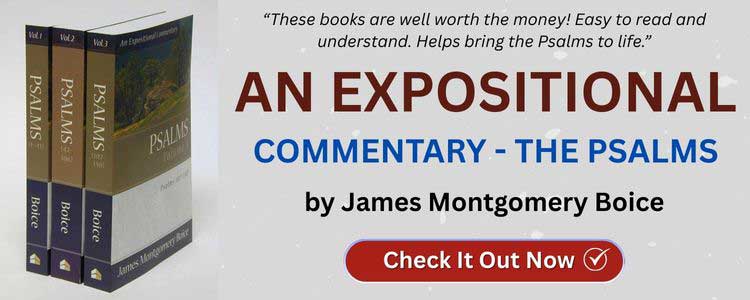
An Expositional Commentary – Psalms by James Montgomery Boice
Resource Books From Amazon
Words of Delight: A Literary Introduction to the Bible by Leland Ryken
Holman Old Testament Commentary of the Psalms (Volume 1 & Volume 2) by Steven J. Lawson
An Expositional Commentary of the Psalms (Volume 1, Volume 2 and Volume 3) by James Montgomery Boice
A Commentary of the Psalms (Volume 1, Volume 2 and Volume 3) by Allen P. Ross
The NIV Application Commentary of the Psalms (Volume 1) by Gerald H. Wilson
The Dictionary of Biblical Imagery by Leland Ryken
The Ideal of Biblical Poetry: Parallelism and Its History by James Kugel
The Dynamics of Biblical Parallelism by Adele Berlin
Figures of Speech in the Bible: Explained and Illustrated by E.W. Bullinger