The 7 Bible Commentaries on the Psalms provide historical context and spiritual depth, making the Psalms come alive with practical, faith-building truth.
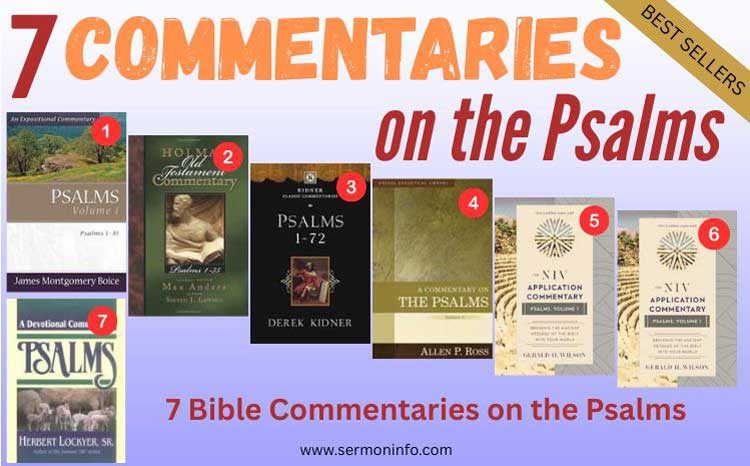
Key Takeaways – 7 Commentaries on the Psalms
- Deepen Biblical Understanding: These commentaries provide clear, verse-by-verse explanations of the Psalms, helping believers grasp their spiritual meaning and context.
- Trusted Evangelical Resources: Each commentary is written by respected conservative scholars committed to biblical accuracy and Christ-centered interpretation.
- Practical Application: Readers learn how to apply the Psalms’ truths to daily life, worship, and personal devotion.
- Accessible for All Levels: Ideal for beginners, pastors, and Bible teachers seeking clear guidance without academic complexity.
- Spiritual Growth Tool: Using these commentaries enhances prayer, worship, and faith by revealing God’s character and promises through the Psalms.
- Comprehensive Study Resource: Perfect for sermon preparation, group study, or personal reflection on the Psalms’ timeless wisdom.
7 Bible Commentaries on the Psalms
The Book of Psalms speaks to every season of the human heart—joy, sorrow, hope, and worship. Each psalm invites believers to draw nearer to God through honest reflection and praise. Yet, understanding the Psalms deeply requires guidance and insight rooted in Scripture.
Bible commentaries can help us see beyond the surface of these sacred songs. They explain the cultural, theological, and spiritual meaning behind each verse, allowing Scripture to speak with greater clarity and conviction.
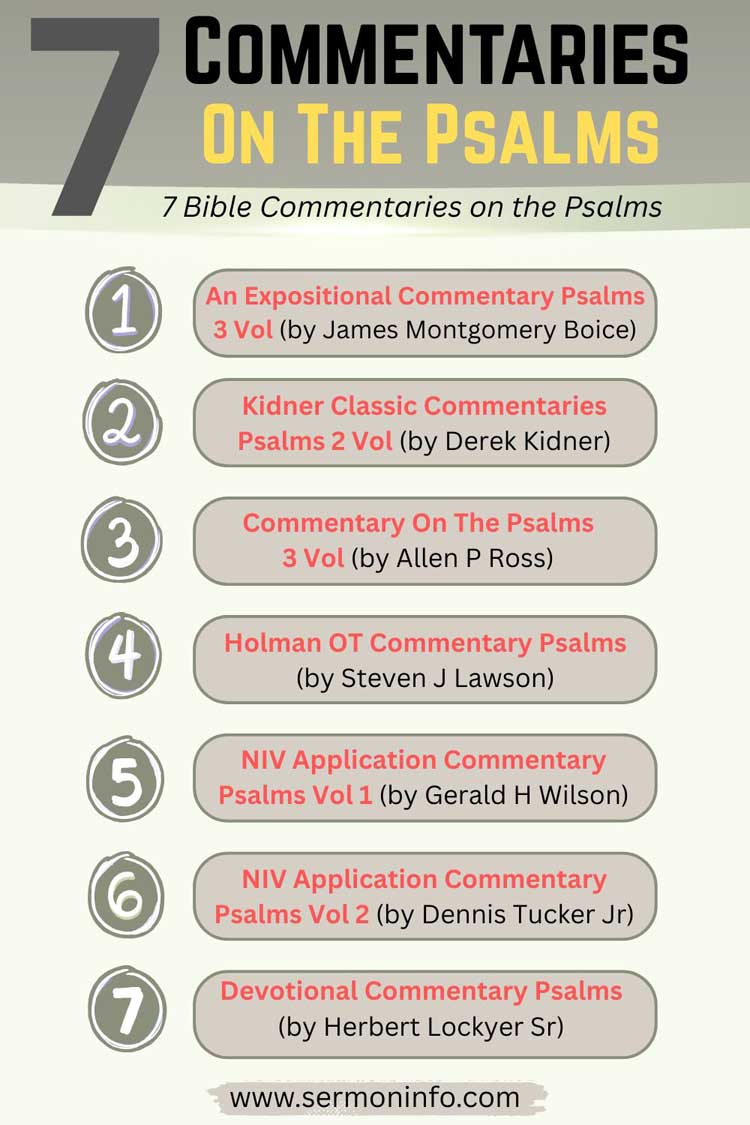
Today, we explore 7 trusted Bible commentaries on the Psalms. Each one offers valuable tools for prayerful study, heartfelt devotion, and stronger faith. Together, they help believers grasp God’s truth and experience His presence through the beauty of His Word.
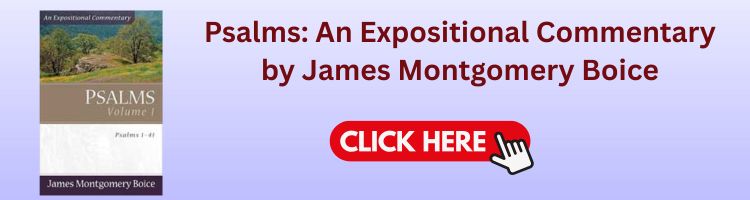
1. Psalms: An Expositional Commentary (3 Volumes)
Psalms: An Expositional Commentary (3 Volumes) by James Montgomery Boice provides clear structure, making it easier for pastors to form sermons. Boice gives introductions, key themes, and gospel connections.
A. Attributes
Expository depth and pastoral warmth – Boice blends scholarship and devotion. His commentary reads like rich preaching, pointing consistently to Christ in the Psalms. Readers will appreciate his careful attention to structure, theology, and personal application.
His tone remains pastoral rather than academic only. He invites readers to worship as they study God’s Word. Psalm 23 and Psalm 103 shine with clarity and reverence.
Christ-centered interpretation – Throughout the volumes, Boice shows how the Psalms lead us to Jesus. He does not force connections but reveals how the Psalms anticipate the gospel.
His Christ-centered focus makes these volumes valuable for sermon preparation and devotional study. Psalm 22 and Psalm 110 are treated with deep reverence and theological balance.
B. Application
Preachable outlines for pastors – Each section provides clear structure, making it easier for pastors to form sermons. Boice gives introductions, key themes, and gospel connections.
This helps pastors communicate the Psalms with clarity and conviction. His work encourages faithful handling of Scripture, especially in passages that deal with suffering or worship.
Encouragement for personal devotion – Boice moves beyond information to transformation. He presses the reader to trust, repent, and rejoice in the Lord.
He reminds the reader that the Psalms shape the heart. Psalm 51 calls for repentance, while Psalm 27 offers confidence in fear. These volumes guide believers toward steadfast faith.
C. Reviews
Highly praised for pastoral tone – Readers commend these volumes for their blend of scholarship and heart. Many pastors return to Boice weekly.
His writing remains accessible without losing theological strength. This makes it suitable for both trained pastors and lay leaders seeking depth.
Occasional lack of academic technicality – Some scholars note his minimal focus on Hebrew or critical theories. However, most agree this is a strength for pastors.
His goal is not academic debate but spiritual clarity. As a result, his commentary stands as one of the most usable resources in the pastor’s library.
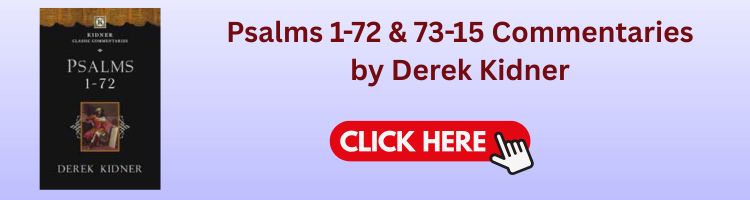
2. Psalms 1–72 & 73–150 (Kidner Classic Commentaries)
Psalms 1–72 & 73–150 (Kidner Classic Commentaries) — Derek Kidner shows that his structure lends itself to outline formation. Each Psalm is presented clearly, making it easy to see the main message.
A. Attributes
Concise scholarship and poetic sensitivity – Kidner writes with brevity and clarity. His comments are short but packed with insight. He respects the poetic beauty of the Psalms while explaining the text with care and precision.
Though brief, his notes reflect careful study. He balances structure, language, and theology with elegant simplicity that serves both students and pastors.
Strong Hebrew awareness without complexity – Kidner understands Hebrew but does not overwhelm the reader. He explains key words and phrases when they matter most.
This makes his commentary approachable for those without original language training. He helps readers grasp the Psalmist’s intent and heart without academic distraction.
B. Application
Ideal for sermon preparation and teaching – His structure lends itself to outline formation. Each Psalm is presented clearly, making it easy to see the main message.
Pastors appreciate the way Kidner highlights contrasts, laments, and praises. His insights lead to faithful and practical sermons rooted in biblical truth.
Encourages personal reflection and prayer – Kidner does not write emotionally, yet his clarity invites meditation. His quiet tone allows the Psalms to speak for themselves.
Readers often slow down to reflect. He helps believers see God’s faithfulness in both sorrow and triumph, much like Psalm 46 and Psalm 62 remind us to trust.
To All My Students: I have all of these commentaries and more on the psalms; however, if you have a limited budget, I recommend Boice’s 3 Volume Set and Lawson’s 2 Volume Set.
C. Reviews
Respected across denominations – Kidner’s work is widely praised for its balance of scholarship and simplicity. Many seminaries recommend it as a foundational commentary set.
Pastors value its reliability and reverence for Scripture. Though small in size, it carries weight in insight and theological care.
Some wish for more depth – Because of its brevity, some readers desire longer explanations. Yet most agree its conciseness is also its charm.
It works well beside more technical sets like Allen Ross or academic commentaries. Together, they offer both depth and clarity.
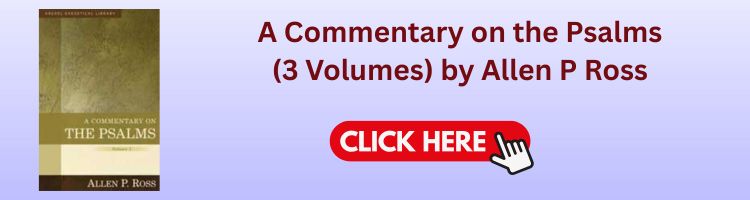
3. A Commentary on the Psalms (3 Volumes)
Allen P. Ross: A Commentary on the Psalms (3 Volumes) – Ross structures each Psalm with clear outlines and key themes. His introductions explain historical background and literary flow.
A. Attributes
Detailed exegesis with academic strength – Ross offers one of the most thorough evangelical commentaries available. He carefully explains Hebrew structure, Psalm categories, and literary design.
This work is ideal for seminary students and pastors seeking precision. His treatment of each Psalm includes translation, notes, and theological reflection.
Evangelical and conservative theology – Ross maintains a high view of Scripture. He honors the text while engaging scholarly debates with grace.
His love for biblical truth shows in every explanation. Ross often points to themes such as kingship, worship, and the coming Messiah (Psalm 2, Psalm 110).
B. Application
Helpful for in-depth sermon preparation – Ross structures each Psalm with clear outlines and key themes. His introductions explain historical background and literary flow.
Pastors who want rich content will find his work invaluable. The detail allows for thoughtful and accurate preaching that honors the text.
Encourages reverent worship and obedience – Ross emphasizes how the Psalms shape Christian life. He connects theology to worship, obedience, and trust.
Psalm 19 calls believers to love God’s law. Psalm 51 urges repentance. Ross shows how doctrine leads to devotion.
C. Reviews
Praised for academic excellence and clarity – Scholars and pastors alike commend Ross for precision. His commentary fits well in seminary libraries and pastor’s studies.
Many note his balanced approach. He engages scholarship without losing pastoral warmth.
Time-consuming to read for some – Because of its depth, it may feel slow for casual readers. Yet its detail is a treasure for those willing to study deeply.
Most agree it is worth the effort. It pairs well with brief commentaries like Kidner or devotional works like Boice.
4. Holman Old Testament Commentary: Psalms
Steven J. Lawson: Holman Old Testament Commentary: Psalms 1–75 & 76–150 – Each Psalm includes teaching points, applications, and reflection questions. Pastors can quickly shape lessons from his material.
A. Attributes
Preacher-focused and practical – Lawson writes for pastors who need ready-to-use material. His work includes outlines, illustrations, and discussion questions.
The format is accessible and designed for teaching and preaching. It fills the gap between academic and devotional resources.
Strong doctrinal clarity – Lawson emphasizes God’s sovereignty, holiness, and grace. He approaches each Psalm with reverence and conviction.
He connects the text to Christ and the gospel. Psalm 2, Psalm 23, and Psalm 139 are especially strong in theological insight.
B. Application
Ready-made resources for sermons and Bible studies – Each Psalm includes teaching points, applications, and reflection questions. Pastors can quickly shape lessons from his material.
This makes it ideal for busy ministry schedules. It encourages faithful and clear communication of Scripture.
Encourages bold and confident faith – Lawson often calls believers to trust God deeply. He challenges readers to stand firm in trials and rejoice in worship.
His explanations of Psalms like 27 and 121 inspire courage. He writes with passion and clarity.
C. Reviews
Loved by pastors for usability – Many pastors appreciate its structure and simplicity. It provides strong content without overwhelming detail.
The Holman format is consistent, making it easy to navigate. It serves both small group leaders and preachers.
Not as technical as academic sets – Some critics note a lack of deep Hebrew work or literary analysis. However, that is not Lawson’s goal.
His focus is pastoral. As a result, this commentary complements more technical works like Ross or Wilson.
5. Psalms Volume 1 (NIV Application Commentary)
Gerald H. Wilson: Psalms Volume 1 (NIV Application Commentary) – Wilson respects the structure and context of the Psalms. Yet he also speaks to real questions believers face.
A. Attributes
Bridges ancient world and modern life – Wilson helps readers move from original meaning to life today. Each Psalm includes explanation, theological reflection, and contemporary application.
He respects the structure and context of the Psalms. Yet he also speaks to real questions believers face.
Literary and canonical approach – Wilson emphasizes how the Psalms fit together as a book. He explains editorial structure and themes across collections.
This helps readers see the Psalms as a unified journey of faith. For example, Psalms 1 and 2 set the foundation for the entire book.
B. Application
Connects Scripture to modern struggles – Wilson discusses issues like grief, injustice, and worship. He helps believers apply truth to personal and cultural challenges.
Psalm 13 speaks to sorrow. Psalm 46 speaks to fear. He handles both with compassion and conviction.
Useful for preachers and lay leaders – Each section includes practical insights without sacrificing accuracy. Wilson offers illustrations and reflective questions.
Teachers will find his work helpful for sermons or classes. He provides bridges for thoughtful communication of the Psalms.
C. Reviews
Praised for thoughtful application – Readers value his ability to connect ancient text to modern life. Many say it strengthens both head and heart.
His tone is pastoral and intelligent. It reaches both educated readers and everyday believers.
Some debate his editorial theories – A few scholars disagree with his view on how the Psalms were arranged. Yet most still respect his careful work.
His approach invites deeper thought, not division. It remains a trusted commentary for evangelical readers.
6. Psalms Volume 2 (NIV Application Commentary)
Dennis Tucker Jr. & Jamie Grant: Psalms Volume 2 (NIV Application Commentary) – Their structure supports teachers and small groups. Each Psalm offers application sections that guide reflection and growth.
A. Attributes
Continues Wilson’s blend of scholarship and application – This volume covers Psalms 73–150 with the same structure. It explains original meaning, then connects to today.
Tucker and Grant write with clarity and reverence. They build on Wilson’s framework with fresh insights.
Emphasis on kingship and hope – They highlight themes of suffering, worship, and God’s rule. Many Psalms point forward to Christ’s reign and final victory.
Psalm 73 deals with envy and doubt. Psalm 145 exalts God’s greatness. They treat each with care and depth.
B. Application
Helps believers process pain and doubt – They do not shy away from difficult questions. Psalms of lament are treated with honesty and empathy.
Readers are encouraged to trust God’s goodness even when life hurts. Psalm 88 and Psalm 130 offer strong examples.
Useful for sermons and discipleship – Their structure supports teachers and small groups. Each Psalm offers application sections that guide reflection and growth.
This makes it a valuable tool for church leaders. It complements Volume 1 with continued depth and clarity.
C. Reviews
Well-received for balance and clarity – Readers appreciate its mixture of scholarship and practicality. It provides both doctrinal stability and pastoral warmth.
Many pastors include it in their regular study rotation. It remains faithful to Scripture.
Some desire more language detail – Like Volume 1, it does not focus heavily on Hebrew syntax. It aims at accessible explanation rather than technical debate.
This makes it readable and useful. When paired with more technical works, it forms a strong study foundation.
7. A Devotional Commentary on the Psalms
Herbert Lockyer Sr: A Devotional Commentary on the Psalms – Though older in style, his words still speak with sincerity and depth, especially in Psalms like 23 and 91.
A. Attributes
Warm, devotional reflections – Lockyer writes for the heart more than the academy. He focuses on spiritual encouragement and worship.
Each Psalm draws the reader toward prayer, trust, and praise. This work is ideal for personal devotion or pastoral inspiration.
Filled with illustrative insights – He uses stories, quotes, and personal reflection. His tone feels like a seasoned pastor speaking gently to the soul.
Though older in style, his words still speak with sincerity and depth, especially in Psalms like 23 and 91.
B. Application
Encourages daily worship and trust – Lockyer urges believers to meet God in the Psalms. He reminds them of God’s presence in every season.
Psalm 34 calls us to taste and see the Lord’s goodness. Lockyer applies this truth with warmth and clarity.
Useful for pastoral inspiration and visitation – Pastors find this commentary helpful when counseling or visiting the sick. It offers gentle words grounded in Scripture.
Its devotional tone helps shepherds speak comfort and hope. Lockyer’s work blesses hearts more than it informs the mind.
C. Reviews
Loved for devotional richness – Many readers treasure its heartfelt tone. It is not academic, yet it deeply nourishes the soul.
It serves well beside technical commentaries. Together they help form both mind and heart.
Limited for scholarly study – Some find its theology less precise or structured. However, that is not its aim.
It focuses on encouragement rather than exegesis. When used accordingly, it becomes a meaningful resource.
Conclusion
The Psalms reveal the heart of God and the cries of His people. They teach us to trust, worship, and walk faithfully.
By using reliable commentaries, believers can uncover deeper meaning and timeless truths. These tools connect biblical understanding with daily faith and spiritual growth.
Whether you study privately or teach others, these seven commentaries will strengthen your love for Scripture. Through them, the Psalms come alive, leading you to worship God with greater wisdom and joy.
Sermons From The Psalms
Sermon Outline From Psalm 1 True Happiness is found in the Lord
Sermon Outline From Psalm 2 God is Still on the Throne
Sermon Outline From Psalm 3 Peace in the Midst of Trouble
Sermon Outline From Psalm 4 Finding Confidence in Troubled Times
Sermon Outline From Psalm 5 Morning Prayer and Holy Living
Sermon Outline From Psalm 6 The Conquering Power of Confessing Sin
Sermon Outline From Psalm 7 A Heart Cry For Justice
Sermon Outline From Psalm 8 The Glory of the Lord in Creation
Sermon Outline From Psalm 9 Find Confidence in God in Times of Trouble
Sermon Outline From Psalm 139:23-24 3 Prayers of Examination
Frequently Asked Questions (FAQ)
Q: What is the best commentary on Psalms?
A: The best commentary depends on your needs. For in-depth scholarship, consider Allen Ross’s A Commentary on the Psalms. For devotional insights, Herbert Lockyer’s A Devotional Commentary on the Psalms is recommended. Each offers unique strengths tailored to different study purposes.
Q: Why should I study the Psalms?
A: Studying the Psalms deepens one’s understanding of worship, prayer, and God’s character. They provide expressions of joy, lament, and praise, fostering a closer relationship with God. Engaging with the Psalms enriches personal faith and spiritual growth.
Q: How do commentaries help in studying Psalms?
A: Commentaries offer historical context, linguistic analysis, and theological insights, enhancing comprehension of the Psalms. They clarify difficult passages and reveal deeper meanings, aiding in accurate interpretation and application. Utilizing commentaries can lead to a more profound understanding of Scripture.
Q: Can I use a commentary without knowing Hebrew?
A: Yes, many commentaries, like those by Derek Kidner and Gerald Wilson, provide accessible explanations without requiring knowledge of Hebrew. They offer insights into the text’s meaning and application, making them suitable for readers without language expertise.
Q: How do I choose the right Psalms commentary?
A: Consider your study goals: for detailed exegesis, Allen Ross’s work is beneficial; for devotional reading, Herbert Lockyer’s commentary is suitable. Assess the commentary’s depth, style, and focus to align with your needs. Selecting the right commentary enhances your study experience.
| Number | Commentary | Main Point | Summary |
|---|---|---|---|
| 1 | Psalms: An Expositional Commentary (3 Volumes) — James Montgomery Boice | Expository depth with pastoral warmth | Shows Christ-centered teaching and guides readers in worship, trust, and daily application. |
| 2 | Psalms 1–72 & 73–150 (Kidner Classic Commentaries) — Derek Kidner | Concise, poetic, faithful explanation | Highlights righteousness, warns against wickedness, and respects the Psalms’ poetic beauty. |
| 3 | A Commentary on the Psalms (3 Volumes) — Allen Ross | Detailed scholarly exegesis | Presents Christ as priest and king with careful textual analysis and theological insight. |
| 4 | Holman Old Testament Commentary: Psalms 1–75 & 76–150 — Steven J. Lawson | Preacher-focused, practical application | Encourages confident faith and worship through trials with clear, ready-to-use teaching points. |
| 5 | Psalms Volume 1 (NIV Application Commentary) — Gerald H. Wilson | Bridging historical context with modern life | Connects Psalms’ messages of God’s refuge to contemporary challenges and spiritual growth. |
| 6 | Psalms Volume 2 (NIV Application Commentary) — Dennis Tucker Jr. & Jamie A. Grant | Continuation of practical application and hope | Guides readers through suffering, lament, and trust in God’s sovereignty and faithfulness. |
| 7 | A Devotional Commentary on the Psalms — Herbert Lockyer Sr. | Devotional insight and encouragement | Draws readers to trust, prayer, and God’s protection through heartfelt and pastoral reflections. |